Eco Light Bulb: Sustainable Design Assets for the Modern Creator
The visual language of sustainability has shifted dramatically in recent years. Where once environmental messaging relied on stark warnings or generic green imagery, today’s design landscape demands authenticity, precision, and aesthetic versatility. At the center of this evolution is the Eco Light Bulb, a symbol that transcends its literal function to represent innovation, energy efficiency, and conscious living. For designers, marketers, and entrepreneurs, accessing high-quality digital assets that capture this ethos is no longer a luxury—it is a necessity.
Understanding the technical and creative potential of these assets requires more than just downloading an image. It involves recognizing how vector-based graphics, specifically those crafted with precision in programs like Adobe Illustrator, can elevate your projects. Whether you are developing a brand identity for a green tech startup or creating handmade invitations for an eco-themed event, the quality of your source files determines the professionalism of your final output.
The Evolution of Green Iconography
The concept of the light bulb as a metaphor for ideas is timeless. However, the addition of ecological elements—such as leaves, earth tones, or recycling symbols—transforms it into a powerful signifier of responsible innovation. This shift mirrors broader societal changes. Consumers are increasingly skeptical of "greenwashing," the practice of making misleading claims about the environmental benefits of a product or service. Consequently, businesses and creators must ensure their visual communications reflect genuine commitment and quality.
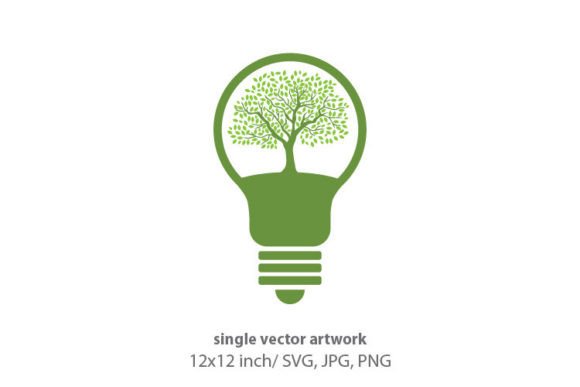
In this context, the Eco Light Bulb clipart serves as a foundational element for transparent communication. High-resolution, vector-based files allow for crisp, clean lines that convey professionalism. When a consumer sees a poorly pixelated logo or a distorted graphic, it subconsciously signals a lack of attention to detail. Conversely, a sharp, well-designed icon suggests reliability and care. This psychological impact is crucial for brands trying to establish trust in the competitive sustainability market.
Technical Precision: Why Vector Matters
Not all digital images are created equal. The distinction between raster and vector graphics is fundamental to professional design work. Raster images, such as standard JPEGs or PNGs, are composed of pixels. When enlarged beyond their original dimensions, they become blurry or pixelated. Vector graphics, however, are based on mathematical paths. This means they can be scaled infinitely without any loss of quality.
The assets described here are created in Adobe Illustrator, ensuring they are true vectors. With an artboard size of 12 x 12 inches and a resolution of 300 DPI in the RGB color palette, these files offer maximum flexibility. The inclusion of multiple formats—SVG, JPG, and PNG—caters to diverse workflow needs:
- SVG (Scalable Vector Graphics): Ideal for web design and app interfaces. SVGs are code-based, meaning they load quickly and remain sharp on any screen size, from mobile phones to 4K monitors. They are also editable via CSS, allowing developers to change colors dynamically to match user preferences or dark mode settings.
- PNG (Portable Network Graphics): Perfect for digital documents, presentations, and social media graphics where transparency is required. The 300 DPI resolution ensures that even when printed on standard home printers, the image retains its clarity.
- JPG (Joint Photographic Experts Group): Suitable for quick previews, email attachments, or platforms that do not support transparency. While less flexible than SVG or PNG, it remains a universal standard for sharing visual concepts.
By providing these formats, creators eliminate the bottleneck of file conversion. A graphic designer can drop the SVG directly into a website project, while a small business owner might use the PNG for a flyer. This accessibility democratizes high-quality design, allowing professionals and hobbyists alike to produce polished results.
Practical Applications Across Industries
The versatility of the Eco Light Bulb graphic extends far beyond traditional advertising. Its clean, modern aesthetic makes it suitable for a wide array of applications, reflecting the interdisciplinary nature of modern creative work.
Brand Identity and Logo Design
For startups in the renewable energy sector, sustainable fashion, or organic food industries, the logo is the face of the brand. Using a vector-based eco light bulb allows for seamless integration into various brand materials. Because the file is scalable, the same icon can appear on a tiny favicon for a website and a massive storefront sign without requiring separate designs. This consistency strengthens brand recognition and reduces long-term design costs.
Printed Media and Stationery
The demand for tangible, eco-friendly stationery is rising. Businesses are moving away from disposable promotional items toward high-quality, lasting goods. These digital graphics can be used to create:
- Business Cards: Printed on recycled paper with soy-based inks, featuring the eco light bulb as a subtle watermark or accent.
- Invitations and Announcements: For corporate sustainability reports launches, earth day events, or green-themed weddings. The 300 DPI resolution ensures that text and graphics remain crisp on heavy cardstock.
- Packaging Design: Minimalist packaging often relies on simple, strong icons. An eco light bulb can signify energy-efficient production methods or recyclable materials, communicating value propositions instantly to shoppers.
Digital Content and Web Design
In the digital realm, speed and aesthetics are paramount. Web designers benefit from the lightweight nature of SVG files. Using an eco light bulb icon to highlight sections about "Energy Saving Tips" or "Green Initiatives" enhances user experience by breaking up text and guiding the eye. Furthermore, because these files are made in Adobe Illustrator, they can be easily customized. A marketer might adjust the green hue to match a specific campaign’s color palette, ensuring visual cohesion across all channels.
Handmade Crafts and Personal Projects
The maker movement continues to grow, with individuals seeking unique ways to express their values. Hobbyists can use these graphics to create custom jewelry, such as enamel pins featuring the eco light bulb design. Crafters might incorporate the image into handmade cards or party decor for environmentally conscious celebrations. The high resolution ensures that even when printed on smaller surfaces, the details remain visible and impactful.
Aligning with Modern Consumer Expectations
Today’s consumers are informed and discerning. They expect brands to not only talk about sustainability but to embody it in every aspect of their operation, including their visual presence. Using high-quality, professionally designed assets signals that a brand respects its audience enough to invest in quality. It suggests that the care taken in design reflects the care taken in product development.
Moreover, the trend toward minimalism in design aligns perfectly with the eco-friendly ethos. Cluttered, overly complex graphics often feel dated and wasteful. Clean, vector-based illustrations like the Eco Light Bulb embrace negative space and simplicity, mirroring the minimalist lifestyle many consumers aspire to. This aesthetic harmony reinforces the message, making the communication more effective.
Best Practices for Implementation
To maximize the impact of these digital graphics, consider the following recommendations:
- Maintain Consistency: If you use the eco light bulb icon in your logo, use similar stylistic elements in your social media posts and website. Consistency builds trust.
- Respect Color Theory: While the RGB color palette is vibrant, ensure that the greens and blues you choose are accessible to users with color vision deficiencies. Test your designs in grayscale to ensure contrast remains clear.
- Optimize for Platform: Use SVGs for web and app interfaces to improve load times. Use PNGs for social media images where transparency might be needed for overlay effects. Reserve JPGs for photographic contexts or quick shares.
- Contextualize the Message: Don’t just place the icon; explain it. Pair the visual with clear, honest copy about your sustainability efforts. The graphic draws attention, but the text provides the substance.
In conclusion, the Eco Light Bulb is more than just a clipart element; it is a versatile tool for modern communication. By leveraging high-quality, vector-based files created in Adobe Illustrator, creators and businesses can produce professional, scalable, and impactful designs. Whether for logo design, web development, or handmade crafts, these assets provide the foundation for authentic, visually compelling storytelling in an era that values both aesthetics and responsibility.