Evaluating the Stained Glass Pattern Inside Letter Q for Design Projects
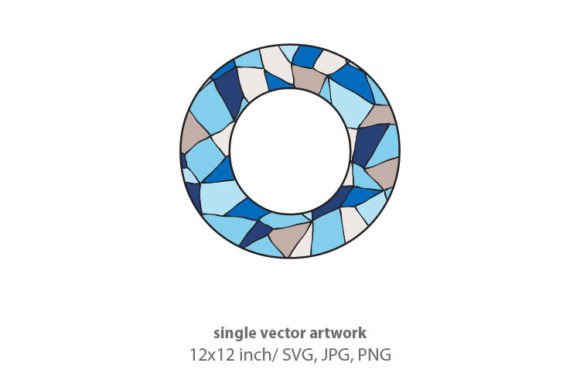
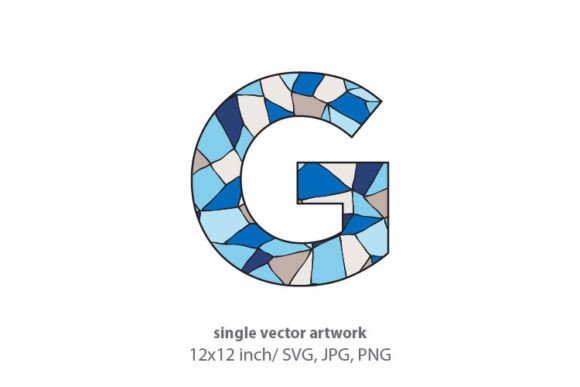
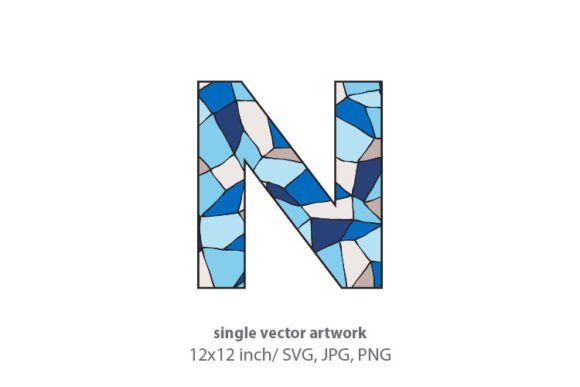
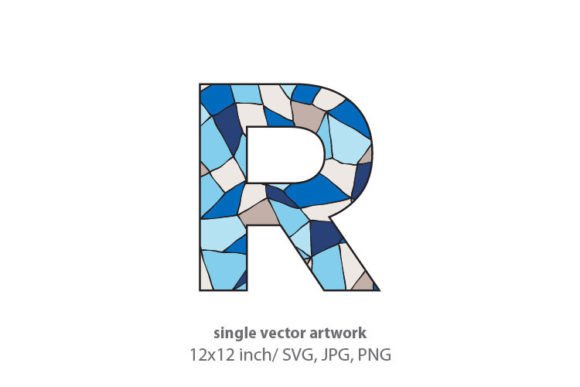
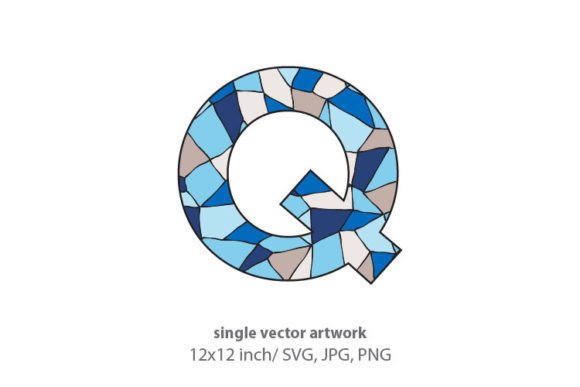
The integration of intricate textures into typographic elements has become a significant trend in modern graphic design. Among these, the Stained Glass Pattern Inside Letter Q stands out as a distinctive visual asset. This digital resource combines the classic elegance of stained glass aesthetics with the structural simplicity of a single alphabet character. For designers, crafters, and content creators, understanding the technical specifications and practical applications of this asset is crucial before incorporating it into a project. This evaluation explores the utility, benefits, and considerations associated with using this specific vector-based clipart.
Understanding the Asset and Technical Specifications
At its core, the Stained Glass Pattern Inside Letter Q is a digital graphic element designed for versatility. It is not merely a static image but a carefully constructed vector file created in Adobe Illustrator. The primary advantage of this format is scalability. Unlike raster images that pixelate when enlarged, vector graphics maintain crisp edges and clarity at any size. This makes the asset suitable for both small-scale applications, such as jewelry or stationery, and large-format prints like wall art or banners.
The technical foundation of this file includes an artboard size of 12 x 12 inches and a resolution of 300 DPI (dots per inch) in the RGB color palette. While 300 DPI is traditionally associated with print quality, the vector nature of the source file ensures that the resolution is effectively infinite until exported. The inclusion of multiple file formats—SVG, JPG, and PNG—addresses diverse workflow needs. SVG files are ideal for web design and further editing in vector software, while JPG and PNG formats provide ready-to-use raster options for quick integration into documents or social media posts.
Practical Applications and Use Cases
The versatility of the Stained Glass Pattern Inside Letter Q allows it to serve various creative purposes. Its application extends beyond simple decoration, functioning as a central design component in several industries.
- Branding and Logo Design: For businesses with names starting with "Q," such as boutiques, cafes, or consulting firms, this graphic can serve as a memorable logo mark. The stained glass motif conveys tradition, craftsmanship, and attention to detail.
- Printed Paper Items and Stationery: The high-resolution output makes it suitable for invitations, announcements, and handmade cards. The intricate patterns add a layer of sophistication to wedding suites or formal event materials.
- Wall Art and Home Decor: When printed on canvas, metal, or acrylic, the vibrant colors of the stained glass pattern can transform a simple letter into a striking piece of wall art. This is particularly effective in nurseries, libraries, or entryways where monogrammed decor is popular.
- Handmade Crafts and Jewelry: Crafters can use the PNG or SVG files to create decals for mugs, designs for t-shirts via heat transfer, or even templates for physical stained glass projects. The clear lines assist in cutting vinyl or tracing patterns onto glass.
- Web and Graphic Design: Web designers can utilize the SVG format to incorporate the letter into website headers, favicons, or blog post graphics without compromising load times or visual quality.
Benefits of Using Vector-Based Clipart
Choosing a vector-based asset like the Stained Glass Pattern Inside Letter Q offers several distinct advantages over standard stock photography or raster illustrations. The primary benefit is editability. Because the file originates from Adobe Illustrator, users with access to vector software can modify individual components. Colors can be adjusted to match specific brand palettes, and elements can be rearranged or simplified if the original design is too complex for a particular medium.
Furthermore, the multi-format delivery ensures compatibility across different platforms. The SVG format is lightweight and code-friendly, making it excellent for responsive web design. Conversely, the PNG format supports transparency, allowing the letter to be overlaid on textured backgrounds or photographs without a white bounding box. This flexibility reduces the need for additional editing software, streamlining the design process.
Considerations and Tradeoffs
While the asset is robust, there are tradeoffs to consider. The complexity of a stained glass pattern involves numerous small shapes and color variations. When scaled down significantly, such as for a favicon or small mobile icon, these details may become indistinguishable. In such cases, simplifying the design or using a solid color version might be necessary to maintain legibility.
Additionally, the RGB color palette is optimized for digital screens. If the final output is intended for professional offset printing, users must convert the colors to CMYK. This conversion can sometimes result in slight shifts in color vibrancy, particularly with bright blues and greens common in stained glass designs. Designers should perform test prints to ensure the colors align with their expectations.
Another consideration is the skill level required to fully leverage the vector files. While JPG and PNG files are plug-and-play, utilizing the SVG or AI files effectively requires familiarity with software like Adobe Illustrator, Inkscape, or CorelDRAW. Users without these tools may find themselves limited to the pre-rendered raster versions, missing out on the customization potential.
When to Choose This Asset Over Alternatives
The Stained Glass Pattern Inside Letter Q is a strong fit for projects requiring a blend of classic artistry and modern typography. It is particularly effective when the goal is to evoke feelings of heritage, elegance, or creativity. For example, a historical society, a church, or an artisanal brand would find this aesthetic aligned with their identity.
However, alternatives may be worth considering in different contexts. For minimalist or corporate brands seeking a sleek, modern look, a solid sans-serif letter or a geometric monogram might be more appropriate. The intricate nature of stained glass can clash with ultra-minimalist design systems. Similarly, for projects requiring high-speed readability at a distance, such as road signs or large outdoor advertising, a simpler, high-contrast typeface without internal patterns would be more functional.
Decision-Making Insights for Creators
To determine if this digital graphic aligns with your goals, evaluate the following factors:
- Target Audience: Does your audience appreciate detailed, artistic visuals? If so, the stained glass motif will likely resonate well.
- Medium: Will the design be viewed primarily on screens or in print? Ensure you select the correct file format and color profile for your medium.
- Customization Needs: Do you need to change colors or adjust shapes? If yes, verify that you have the software capable of editing SVG or AI files.
- Brand Identity: Does the ornate style complement your existing brand guidelines, or does it conflict with them?
In conclusion, the Stained Glass Pattern Inside Letter Q is a versatile and high-quality digital asset that offers significant value for a wide range of creative projects. By understanding its technical specifications and aesthetic implications, designers and makers can make informed decisions about its integration. Whether used for a sophisticated logo, a personalized gift, or a decorative home accent, this vector clipart provides a solid foundation for high-impact visual communication.