Geometric Golden Lineal Wire Frames Art: Elevating Your Design Projects
In the world of digital design and wedding stationery, few elements convey elegance quite like Geometric Golden Lineal Wire Frames Art. These minimalist yet sophisticated borders have become a staple for creators looking to add a touch of luxury without overwhelming their compositions. Whether you are designing a vintage-inspired wedding invitation or crafting custom merchandise for a small business, understanding how to properly utilize these assets is crucial for achieving professional results.
However, many beginners and even seasoned designers overlook critical details when selecting and implementing these graphic resources. From file format compatibility to resolution issues, small oversights can lead to frustrating outcomes, such as pixelated prints or incompatible layers. This guide aims to help you navigate these common pitfalls, ensuring your creative projects maintain their high-quality aesthetic from screen to print.
Understanding the Versatility of Wire Frame Designs
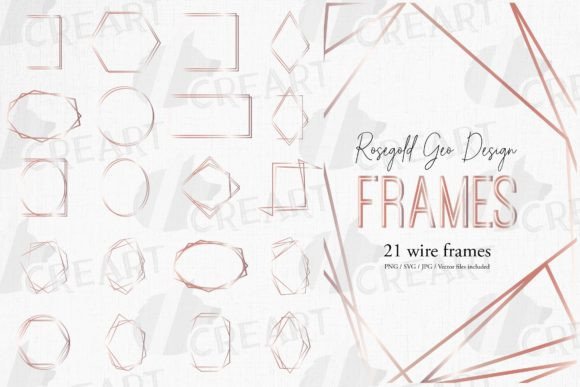
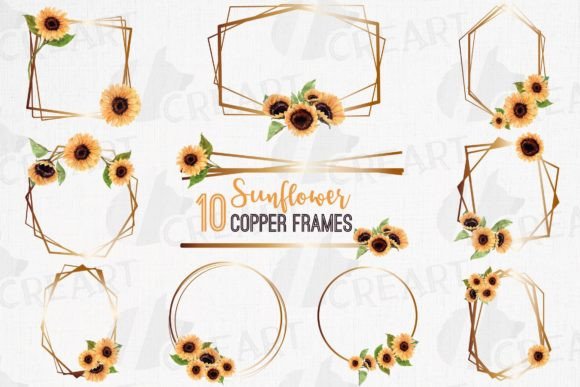
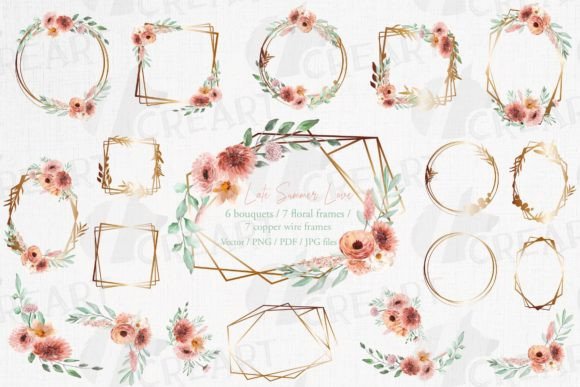
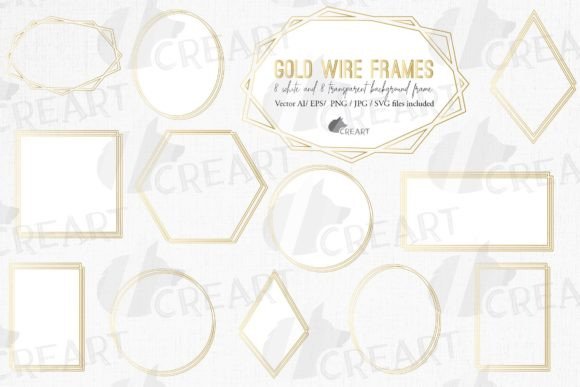
Geometric golden lineal wire frames are not just decorative borders; they are functional design tools that structure content. The "lineal" aspect refers to the thin, continuous lines that form geometric shapes—often hexagons, circles, or rectangles—while the "golden" hue adds warmth and prestige. When paired with vintage wedding themes, these frames create a harmonious blend of modern minimalism and classic romance.
The true value of these assets lies in their adaptability. A high-quality package should offer versatility across various mediums. For instance, a comprehensive collection typically includes transparent PNGs for digital overlays and white-background JPGs for quick drag-and-drop usage in word processors or basic editing software. Additionally, vector formats like SVG, AI, and EPS are essential for scalability, allowing you to resize the frame for a massive wall decor piece or a tiny sticker without losing clarity.
Common Mistakes When Choosing Digital Assets
One of the most frequent errors creators make is ignoring file format requirements before purchase. Many hobbyists download standard JPEGs, only to discover later that they cannot remove the background or scale the image for large-format printing. This limitation restricts the asset’s usability significantly. If you plan to use the frame for sublimation on mugs or tumblers, a raster image with a fixed resolution may result in blurry edges when stretched. Instead, prioritize packages that include vector files (SVG, AI, EPS) and high-resolution PNGs with transparent backgrounds.
Another overlooked detail is color editability. While "golden" implies a specific hue, your brand palette or wedding theme might require rose gold, copper, or even silver. Beginners often assume they are stuck with the default color. In reality, vector files and layered PSDs allow you to change colors effortlessly. Failing to check for editable layers or vector paths means missing out on customization opportunities that could make your design unique.
The Impact of Poor File Selection on Quality
Using low-resolution images for print projects is a costly mistake. Imagine designing a beautiful wedding invitation suite, only to find the golden frame looks jagged and pixelated when printed. This happens when users rely on web-sized images rather than high-resolution files. A professional-grade package should provide PNGs at 300 DPI or higher. Without this specification, your final product may look amateurish, affecting the perceived value of your work or the emotional impact of a personal gift.
Furthermore, neglecting to verify commercial usage rights can lead to legal complications. Many creators assume that purchasing a digital download grants them full freedom to sell products featuring the art. However, licenses vary. Some are for personal use only, while others allow small business commercial use. Always read the license agreement. Using a personal-use-only asset for client work or Etsy sales can result in takedown notices or fines, disrupting your business operations.
Practical Advice for Seamless Integration
To avoid these issues, start by auditing your workflow. Determine which software you use most frequently. If you are a Cricut or Silhouette user, ensure the package includes DXF or SVG files compatible with cutting machines. For Adobe Illustrator or CorelDRAW users, AI and EPS files are non-negotiable. Photoshop enthusiasts should look for layered PSD files that allow easy manipulation of individual elements.
When evaluating a product, check the included file list carefully. A robust package might include:
- 16 High-Resolution PNGs: With transparent backgrounds for easy layering over photos or colored cards.
- 8 JPGs with White Backgrounds: Ideal for quick insertion into documents or platforms that do not support transparency.
- Vector Files (SVG, AI, EPS): For infinite scalability and color editing.
- Specialized Formats (DXF, PDF): For cutting machines and print-ready proofs.
Before finalizing your design, always test the frame on your intended background. Golden lines can disappear against light beige or cream papers. In such cases, use the vector file to darken the gold or add a subtle drop shadow to ensure visibility. This simple adjustment enhances readability and visual appeal.
Maximizing Utility Across Different Projects
These geometric frames are not limited to wedding invitations. Their clean lines make them perfect for branding materials, such as business cards, logos, and social media posts. For entrepreneurs, using these frames on product packaging or thank-you cards can elevate brand perception. Hobbyists can apply them to scrapbooking pages, creating cohesive layouts that highlight photos without clutter.
For those interested in physical crafts, waterslide transfers for tumblers and mugs benefit greatly from vector-based designs. The crisp lines ensure that the gold effect remains sharp after the transfer process. Similarly, sublimation printing requires high-quality inputs to prevent banding or fading. By starting with the right file type, you ensure that the final physical product matches your digital vision.
What to Check Before You Buy
Before making a purchase, verify three key aspects: resolution, format diversity, and licensing. Ensure the PNGs are at least 3000 pixels on the longest side for print readiness. Confirm that vector files are included if you need resizing flexibility. Finally, read the license terms to confirm whether small business commercial use is permitted. This due diligence saves time, money, and frustration, allowing you to focus on creativity rather than troubleshooting technical issues.
By choosing high-quality Geometric Golden Lineal Wire Frames Art and understanding how to leverage its various formats, you empower your designs with professionalism and elegance. Whether you are a beginner exploring digital crafts or a professional designer refining your toolkit, paying attention to these details ensures your projects stand out for all the right reasons.