Elevate Your Digital Presence with Premium Vector Social Media Templates
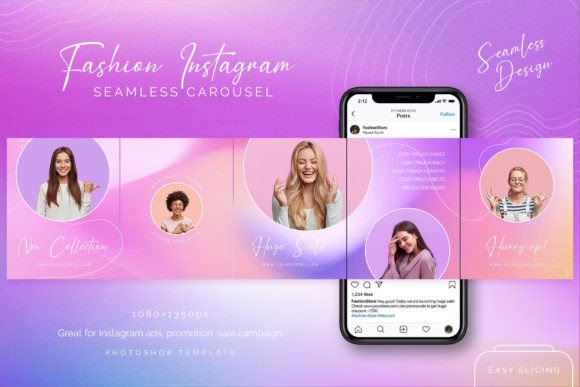
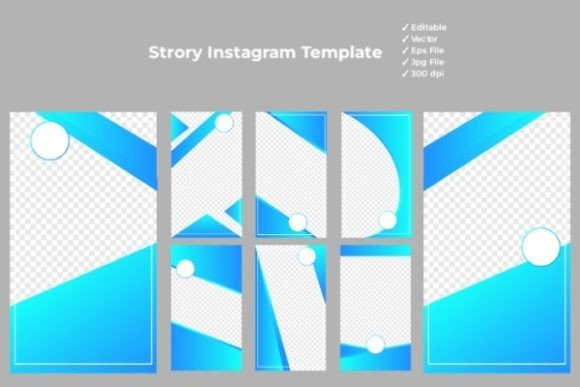
In the fast-paced world of digital marketing, visual consistency is not just a luxury; it is a necessity. Whether you are a freelance graphic designer, a small business owner, or a social media manager, the pressure to produce high-quality content daily can be overwhelming. This is where professionally designed assets become indispensable. Specifically, utilizing a versatile Story Instagram Template combined with a comprehensive social media banner template can revolutionize your workflow. These tools are not merely placeholders; they are strategic design frameworks that ensure your brand maintains a polished, professional appearance across all platforms.
The Power of Vector Illustration in Modern Design
One of the most critical aspects of any high-quality design asset is its scalability and editability. The templates discussed here are built using modern graphic design elements and, most importantly, rely on 100% vector illustration. But why does this matter so much?
Unlike raster images (such as standard JPEGs or PNGs) which are made of pixels and can become blurry or pixelated when resized, vector graphics are based on mathematical paths. This means you can scale them up to the size of a billboard or down to a tiny icon without losing an ounce of clarity. For a Story Instagram Template, this ensures that every curve, line, and shape remains crisp on high-resolution mobile screens, which are increasingly demanding in terms of display quality.
Furthermore, vector files allow for complete creative freedom. Since the graphics are constructed from editable paths, you are not stuck with a static image. You can manipulate individual elements, rearrange components, and tweak shapes to better suit your specific brand identity. This level of control is essential for designers who need to adapt a single concept across multiple formats, from a vertical Instagram story to a horizontal website banner.
Versatility Across Platforms and Use Cases
The true value of these templates lies in their multifunctionality. While they are optimized for social media, their utility extends far beyond a single app. This is great for creating a cohesive visual ecosystem for your brand. You can use these assets for:
- Website Headers and Banners: Create eye-catching hero sections that load quickly and look sharp on retina displays.
- Promotional Social Media Posts: Beyond stories, adapt the layouts for feed posts, reels covers, and profile highlights.
- Web Design Elements: Extract icons and illustrations to use as decorative elements in your UI/UX designs.
- Flyers and Print Materials: Because the files are high resolution, they can be repurposed for physical marketing materials.
- Digital Advertising: Create consistent ad creatives for Facebook, LinkedIn, or Google Display Network.
This cross-platform compatibility saves hours of work. Instead of designing a unique layout for every single channel, you start with a robust master template. You simply adjust the dimensions and tweak the composition slightly to fit the aspect ratio of the new platform. This efficiency allows you to focus more on your messaging and strategy rather than getting bogged down in repetitive design tasks.
High-Resolution Quality and Professional Standards
Quality cannot be compromised in professional design. These templates are delivered in high resolution 300 DPI (dots per inch). While screen displays typically operate at 72 or 96 DPI, having a 300 DPI source file is crucial for two reasons. First, it future-proofs your assets. As screen technologies advance, higher density displays become the norm. Starting with a high-resolution base ensures your graphics look exceptional on the latest smartphones and tablets.
Second, the 300 DPI standard is required for print. If you decide to turn your successful social media campaign into a physical flyer, poster, or brochure, you will not need to recreate the design from scratch. The vector nature of the file, combined with the high-resolution output settings, means your print materials will look just as professional as your digital ones. This seamless transition between digital and physical media is a hallmark of a mature brand strategy.
Customization and Color Flexibility
Brand identity is deeply tied to color psychology. A template that forces you to use a specific color palette is limiting. However, with these vector-based templates, you can change the color as you wish. This is not a simple filter overlay; because the elements are vector shapes, you can access the fill and stroke properties of every individual component.
Imagine you have a corporate brand with strict guidelines requiring navy blue and silver. With a few clicks, you can transform a vibrant, colorful template into a sleek, corporate-ready design. Conversely, if you are working on a summer promotion for a lifestyle brand, you can instantly switch to bright oranges and yellows. This flexibility makes the template suitable for agencies managing multiple clients with diverse brand identities. It also allows individual creators to experiment with different moods and aesthetics without needing to redraw any elements.
The ability to customize colors also aids in accessibility. You can adjust contrast ratios to ensure your text is readable for users with visual impairments, a key consideration in modern inclusive web and social media design.
File Formats and Ease of Use
Understanding the file types you receive is essential for integrating these templates into your workflow. When you purchase this package, you will get:
- EPS File: Encapsulated PostScript is a universal vector format. It is compatible with industry-standard software like Adobe Illustrator, CorelDRAW, and Inkscape. This is the file you will use for editing. It preserves all the vector data, layers, and editability.
- JPG File: High-quality JPEG previews are included for quick viewing, sharing with clients for approval, or using in presentations where editing is not required.
The inclusion of the EPS file ensures that you are not locked into a single software ecosystem. While Adobe Illustrator is the most common tool for vector editing, many other programs can open and manipulate EPS files. This openness makes the template accessible to a wider range of designers, from students using free software to professionals using enterprise-level suites.
Integrating Templates into Your Creative Workflow
Adopting a Story Instagram Template is not about replacing creativity; it is about enhancing efficiency. Many designers suffer from "blank canvas syndrome," where the sheer number of possibilities leads to procrastination. A well-structured template provides a starting point. It offers a balanced composition, thoughtful typography hierarchy, and harmonious spacing.
By using these pre-designed structures, you can rapidly prototype ideas. You can test different headlines, swap out images, and adjust colors to see what works best before committing to a final design. This iterative process is much faster when you are not building the layout from scratch every time. Moreover, using a consistent template helps build brand recognition. When your audience sees a specific style of graphic, they immediately associate it with your brand, even before reading the text.
For social media managers, this consistency is vital. Algorithms favor accounts that post regularly. By reducing the time it takes to create each post, you can maintain a consistent posting schedule without burning out. You can batch-create weeks' worth of content in a single session, ensuring that your feed looks cohesive and professional.
Why Choose Vector Over Raster for Social Media?
While many social media platforms compress images, starting with a vector source gives you the best possible outcome. When you export a vector design to a raster format like JPG or PNG for upload, you control the compression and quality settings. If you start with a low-quality raster image, you cannot improve it. But if you start with a vector, you can always export a fresh, high-quality version.
Additionally, vector files are often smaller in file size compared to high-resolution raster images, making them easier to store and share among team members. This efficiency extends to collaboration. You can send the EPS file to a colleague, and they can make edits without degrading the image quality. This is particularly useful for remote teams or when working with external printers and developers.
In conclusion, investing in a high-quality, fully editable vector template pack is a smart move for anyone serious about digital branding. It combines the aesthetic appeal of modern graphic design with the practical benefits of flexibility, scalability, and efficiency. Whether you are designing a Story Instagram Template, a website banner, or a printed flyer, these assets provide the foundation you need to create stunning, professional visuals that captivate your audience and elevate your brand.